
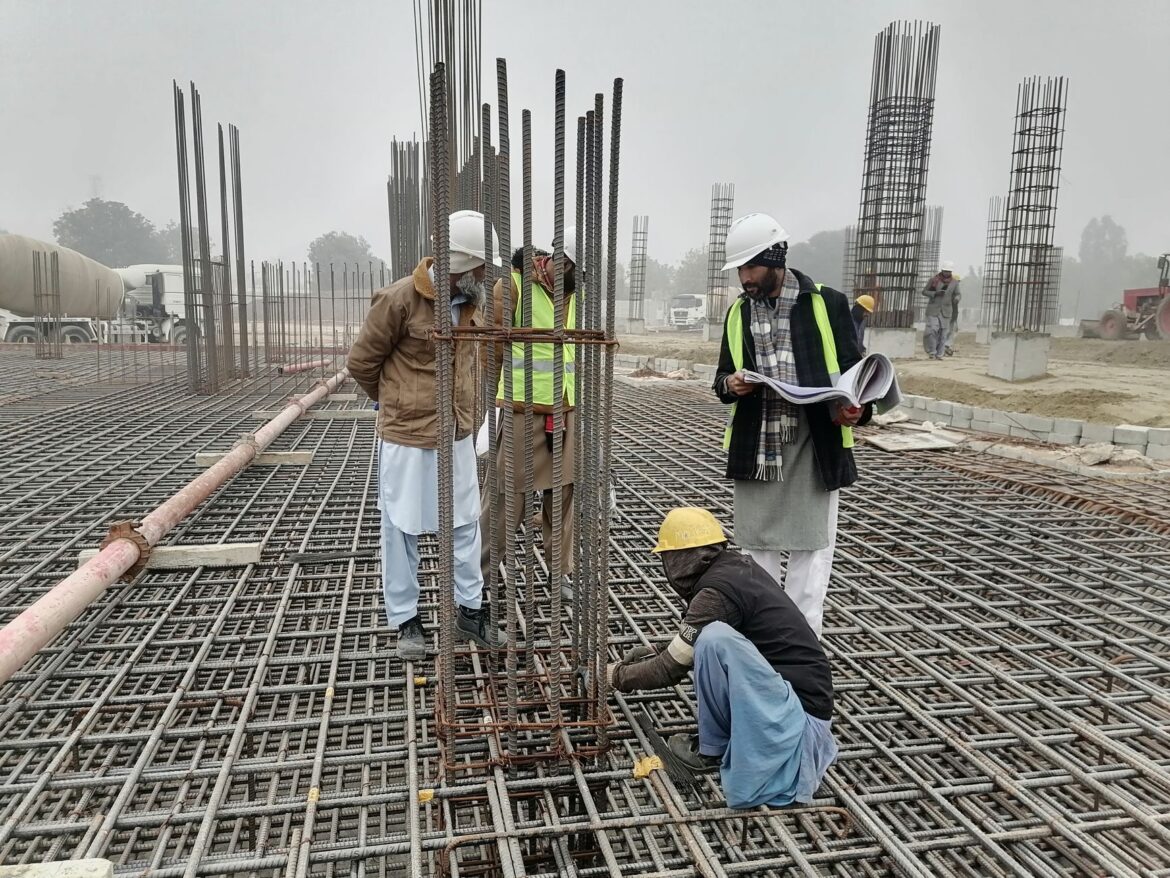
One of the first questions many Kenyans ask after completing their house plans is surprisingly simple:
“Should I hire a contractor or just work directly with fundis?”
The debate has existed for years. Some homeowners believe contractors only increase the cost of construction, while others have horror stories about projects that stalled after relying solely on informal labour and so the question “should you hire a fundi or a contractor to build your home in Kenya” becomes a very important question and we will try to address it here as objectively as possible.
The reality is that there is no one-size-fits-all answer. The right approach depends on the size of the project, your experience managing construction, the time you can dedicate to supervision, and the level of risk you are willing to take.
Before making a decision, it is important to understand what each option really involves.
Who Is a Fundi?
A fundi is a skilled tradesperson responsible for carrying out specific construction activities. Depending on the project, this may include:
- Masonry
- Carpentry
- Plumbing
- Electrical installation
- Steel fixing
- Roofing
- Painting
- Tiling
Many experienced fundis possess exceptional practical skills gained over many years. However, managing a complete construction project requires much more than technical workmanship. Someone still needs to coordinate:
- Material deliveries
- Work schedules
- Different trades
- Quality inspections
- Site safety
- Payments
- Communication with consultants
What Does a Contractor Do?
A contractor provides an organized construction team and assumes responsibility for delivering the works in accordance with the contract. A professional contractor typically manages:
- Labour
- Procurement planning
- Site supervision
- Work sequencing
- Equipment
- Health and safety
- Quality control
- Programme management
Instead of supervising several individual fundis, the client deals primarily with one organization responsible for project execution.
Why Some Homeowners Choose Fundis
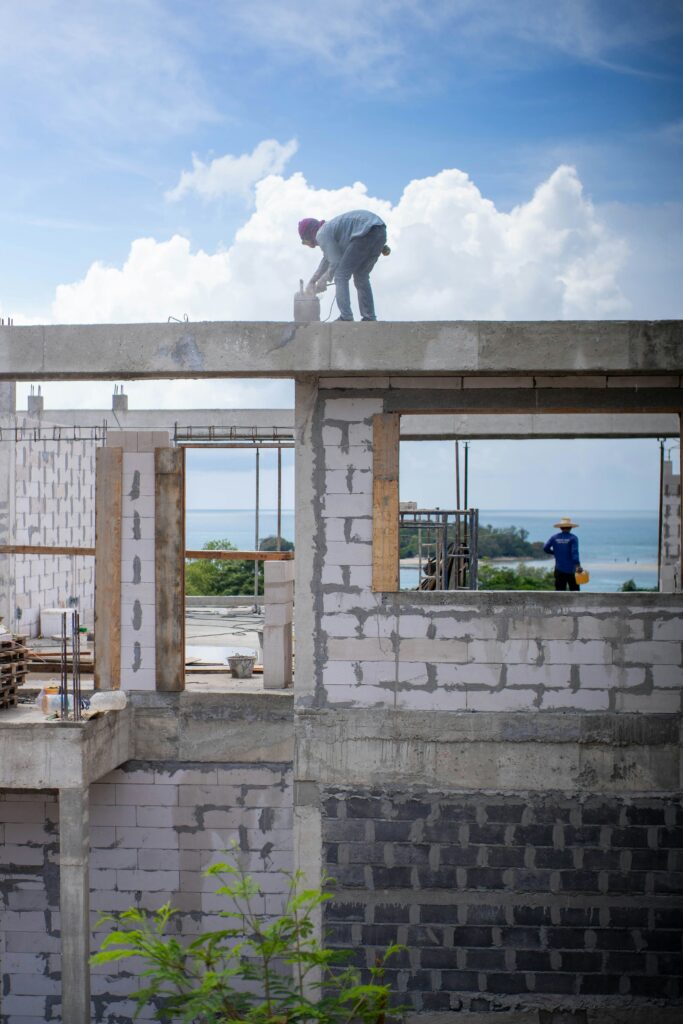
Working directly with fundis offers several perceived advantages.
1. Lower Initial Costs
Without contractor overheads, the upfront labour costs may appear lower.
2. Greater Control
Some homeowners prefer making day-to-day decisions themselves. They personally purchase materials, approve work, and coordinate activities on site.
3. Flexibility
Construction can proceed in phases depending on available finances. This approach is common among homeowners building gradually over several years.
The Hidden Challenges of Managing Fundis Yourself
While the direct approach can work, many homeowners underestimate the responsibilities they assume. You effectively become the project manager. That means you are responsible for:
- Scheduling every trade
- Ordering materials on time
- Verifying workmanship
- Coordinating consultants
- Solving site disputes
- Tracking project costs
- Managing delays
For someone with limited construction experience, these responsibilities can quickly become overwhelming.
When a Contractor Makes More Sense
Professional contractors become increasingly valuable as projects become more complex. Examples include:
- Multi-storey homes
- Apartments
- Commercial buildings
- Projects with tight completion deadlines
- High-end residential developments
These projects involve multiple specialists working simultaneously. Without proper coordination, delays and costly mistakes become much more likely.
The Biggest Mistake Isn’t Choosing Either One
Many people assume the biggest decision is choosing between fundis and contractors. In reality, the bigger mistake is beginning construction without professional oversight. Whether a homeowner hires fundis or appoints a contractor, someone must still ensure that:
- Construction follows approved drawings.
- Structural details are implemented correctly.
- Materials meet specifications.
- Work progresses according to schedule.
- Costs remain under control.
- Quality is maintained throughout the project.
Without independent supervision, problems are often discovered only after expensive work has already been completed.
A Hybrid Approach Is Becoming More Common
Many experienced developers in Kenya are adopting a middle-ground approach. Instead of relying entirely on one option, they combine:
- Skilled fundis or a contractor for construction
- Professional project management
- Independent construction supervision
- Regular quality inspections
- Design coordination throughout the project
This arrangement provides greater transparency while ensuring technical decisions are made by qualified professionals rather than on-site guesswork.
Before You Decide, Ask Yourself These Questions
Before selecting your construction approach, consider the following:
Do you have time to visit the site regularly?
Construction requires frequent decisions. Long periods without supervision often lead to costly mistakes.
Are you familiar with construction sequencing?
Knowing what should happen next is just as important as knowing how something should be built.
Can you identify poor workmanship?
Many defects remain hidden until months after completion.
Are you prepared to coordinate multiple trades?
Electricians, plumbers, masons, roof installers and finishers all depend on proper scheduling.
What happens if disagreements arise?
Disputes over workmanship, payments or delays require someone with technical knowledge to resolve them objectively.
The Best Investment Is Good Coordination
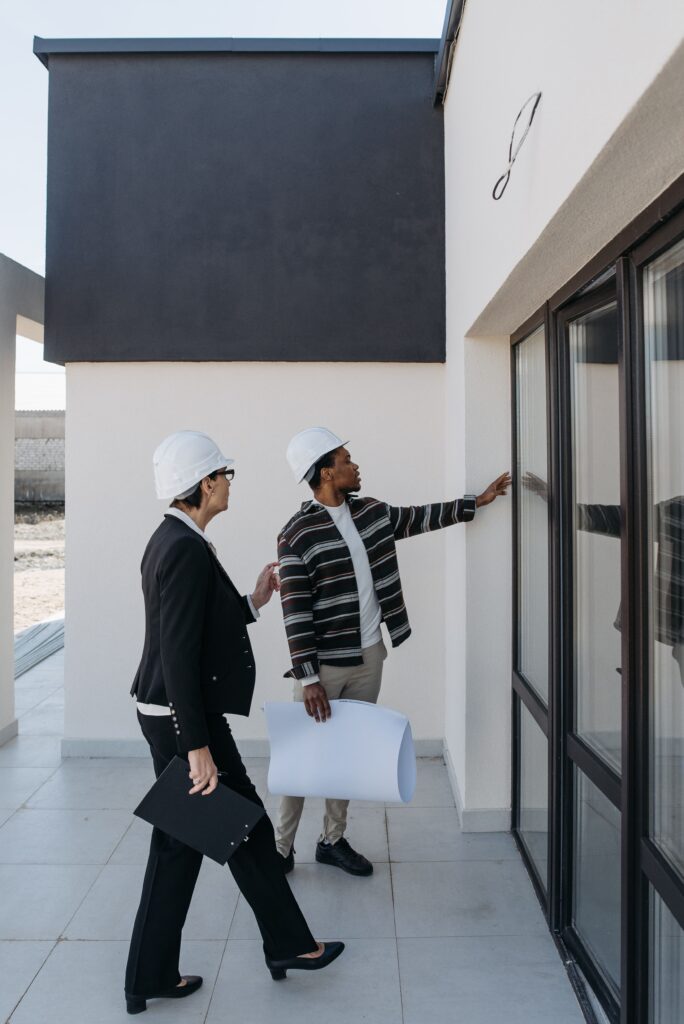
Construction projects rarely fail because people lack skills. More often, they struggle because communication breaks down, decisions are delayed, or activities are poorly coordinated.
Whether a project is delivered by fundis or by a contractor, effective planning, clear communication and professional supervision significantly improve the chances of completing the project on time, within budget and to the expected quality.
For many homeowners, paying for experienced project coordination ultimately costs far less than correcting avoidable construction mistakes.
Conclusion
Choosing between a fundi and a contractor should never be based solely on cost. The answer to the question “Should you hire a fundi or a contractor to build your home in Kenya” and the subsequent decision should reflect the project’s complexity, the homeowner’s availability, and the level of professional support in place.
The most successful residential projects are not necessarily those with the largest budgets. They are the ones where planning, coordination, and quality oversight receive the same attention as construction itself.
Ready to build your next project?
At Alternate Mechanics, we provide end-to-end project delivery services, coordinating the planning, procurement, management and supervision of construction and development projects from concept to completion. Acting as a single point of coordination between clients, consultants, contractors and other project stakeholders, we simplify the delivery process while helping clients achieve successful project outcomes.