
One of the first questions anyone planning to build a home asks is:
“How much will it cost?”
It’s a reasonable question—but also one of the most difficult to answer with a single figure.
If you’ve asked around, you’ve probably received very different answers. One person says KSh 35,000 per square metre, another insists it’s KSh 55,000, while someone else claims they built for much less. So who is right?
The truth is that all of them could be correct.
The cost of building a house in Kenya depends on several factors, including the design, location, finishes, soil conditions, and how well the project is managed. Two houses with the same floor area can differ in cost by millions of shillings.
This guide explains what really influences construction costs in 2026 and how homeowners can budget more accurately before construction begins and at the end, we will have answered the question “how much does it really cost to build a house in Kenya” as objectively as possible.
Is There an Average Cost Per Square Metre?
Many professionals use a cost-per-square-metre estimate during the early planning stage.
For a typical residential home in Kenya in 2026, the following broad guide is often used:
| Standard of Finish | Approximate Construction Cost |
|---|---|
| Basic | KSh 45,000–60,000 per m² |
| Standard | KSh 60,000–85,000 per m² |
| High-End | KSh 85,000–130,000+ per m² |
These figures are indicative only and should not be treated as quotations. See here for indepth figures.
They generally cover the construction of the building itself but may exclude costs such as land acquisition, professional consultancy, statutory approvals, utility connections, boundary walls, landscaping, and furnishings.
Why Two Similar Houses Can Have Very Different Costs
1. The House Design
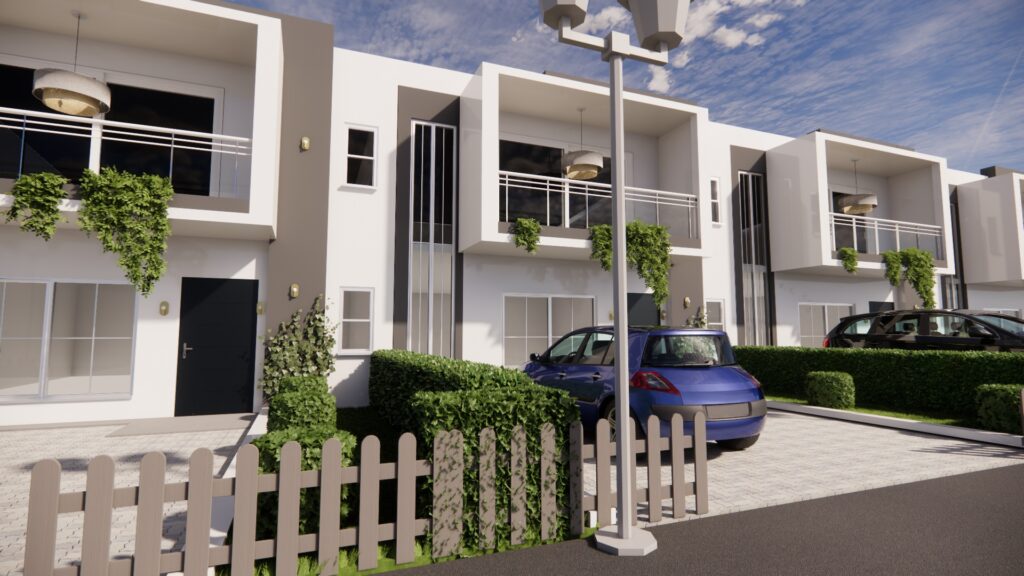
The design has one of the biggest influences on the final budget.
Features that increase construction costs include:
- Large cantilevers
- Complex roof designs
- Double-volume spaces
- Extensive glazing
- Basements
- Suspended slabs
- Curved walls
- Premium architectural finishes
In contrast, a compact rectangular house with a simple roof is generally more economical to build.
Good design balances aesthetics, functionality, and cost without compromising quality.
2. Soil Conditions
The ground beneath the house is something many homeowners overlook.
Poor soil may require:
- Deeper foundations
- Additional excavation
- Engineered fill
- Ground improvement works
- Increased reinforcement
These requirements can significantly affect the structural budget.
A geotechnical investigation before finalizing the structural design provides valuable information that helps avoid costly surprises during construction.
3. The Level of Finishes
Finishes account for a substantial portion of the project cost.
For example, the price difference between standard ceramic tiles and imported porcelain tiles can be considerable.
The same applies to:
- Kitchen fittings
- Bathroom fixtures
- Doors
- Windows
- Wardrobes
- Lighting
- Paint systems
- Ceiling finishes
Selecting finishes early helps establish a realistic project budget.
4. Location of the Project
Construction costs vary across Kenya.
Factors influencing regional costs include:
- Availability of materials
- Transportation distances
- Labour rates
- Site accessibility
- Local authority requirements
Building in remote locations often increases logistics costs compared to projects in major urban centres.
5. Inflation and Material Prices
Construction materials rarely maintain the same prices throughout a project.
Steel, cement, timber, electrical components, and imported finishes may fluctuate due to:
- Exchange rate movements
- Fuel prices
- Global supply chains
- Government taxes and levies
Projects extending over several months should include a contingency to accommodate these changes.
Costs That Homeowners Commonly Forget
Many first-time builders budget only for construction. However, several additional expenses should also be considered. These may include:
- Architectural design
- Structural engineering
- Quantity surveying
- Mechanical and electrical engineering
- Geotechnical investigations
- Land survey
- County approvals
- Utility connections
- Project management
- Construction supervision
- Boundary walls
- Driveways
- Landscaping
- Water storage
- Security installations
- Contingency allowance
These items form part of the total project investment and should be planned for from the beginning.
Should You Build in Phases?
Many Kenyan homeowners choose to build gradually as funds become available. This approach can work well when properly planned. However, phased construction also presents challenges:
- Material prices may increase between phases.
- Labour costs may rise.
- Temporary works may require modification later.
- Mobilization costs are incurred multiple times.
If phased construction is necessary, it should be guided by a long-term construction plan rather than ad hoc decisions.
How to Keep Construction Costs Under Control
Keeping costs low is not about choosing the cheapest materials or contractor. Instead, successful projects focus on careful planning and disciplined management. Some practical strategies include:
Complete the Design Before Construction Begins
Late design changes almost always increase costs.
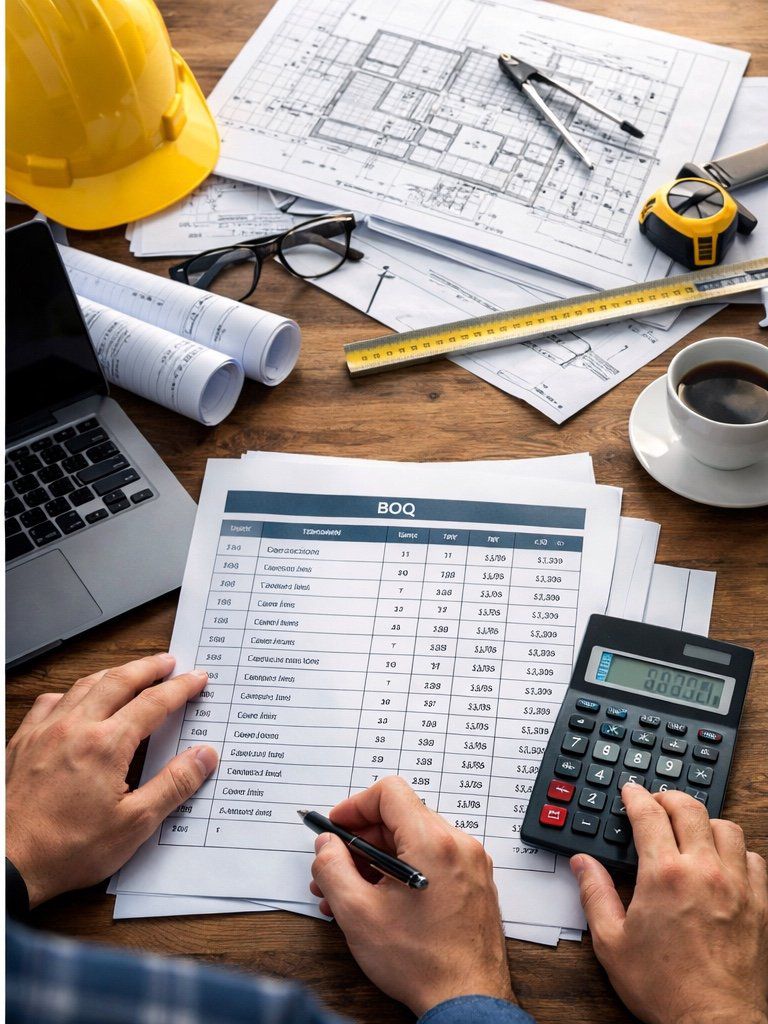
Invest in Accurate Cost Estimates
A detailed cost plan provides better financial control throughout the project.
Avoid Unplanned Variations
Every change during construction affects labour, materials, or programme.
Procure Materials Strategically
Purchasing materials according to a planned schedule reduces waste and delays.
Monitor Progress Regularly
Frequent inspections help identify issues before they become expensive to correct.
Work With Qualified Professionals
Experienced consultants often save homeowners money by preventing costly mistakes and improving project coordination.
Budgeting Example
Suppose a family plans to build a 180 m² four-bedroom bungalow.
If the expected construction standard falls within the KSh 60,000–85,000 per m² range, the estimated construction cost may be approximately:
- Lower estimate: KSh 10.8 million
- Upper estimate: KSh 15.3 million
To this, the homeowner should also budget for:
- Professional consultancy fees
- County approvals
- Site investigations
- External works
- Utility connections
- Contingencies
The final investment may therefore be higher than the initial construction estimate alone.
The Cheapest House Is Not Always the Most Affordable
Many homeowners focus on reducing the initial construction budget.
However, poorly coordinated projects often experience:
- Delays
- Rework
- Material wastage
- Quality defects
- Unexpected cost increases
These issues can ultimately make a “cheap” project more expensive than one that was properly planned from the outset.
Investing in good design, effective project management, and quality supervision helps reduce unnecessary costs throughout the project lifecycle.
Conclusion
There is no universal answer to the question, “How much does it cost to build a house in Kenya?” Every project is unique, and the final cost depends on design decisions, site conditions, construction standards, and how effectively the project is managed.
For homeowners, the best starting point is not finding the cheapest quotation—it is developing a realistic budget based on professional advice and a clear understanding of the project’s requirements.
With proper planning, informed decision-making, and effective coordination, it is possible to build a home that meets both financial expectations and long-term quality goals.
Ready to build your next project?
At Alternate Mechanics, we provide end-to-end project delivery services, coordinating the planning, procurement, management and supervision of construction and development projects from concept to completion. Acting as a single point of coordination between clients, consultants, contractors and other project stakeholders, we simplify the delivery process while helping clients achieve successful project outcomes.