
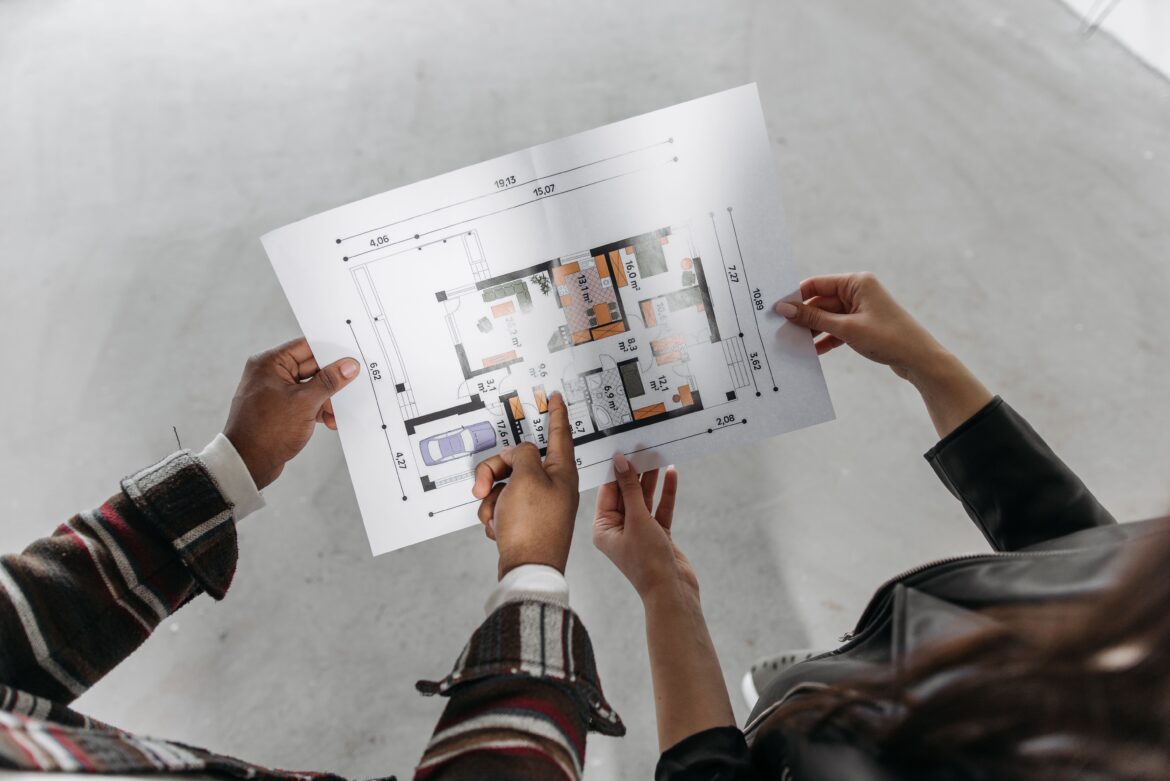
Building a home is one of the most significant investments many Kenyans will ever make. Whether the project is financed through personal savings, a mortgage, SACCO financing, or a construction loan, every decision made during the planning and construction process has a direct impact on cost, quality, and long-term value.
Yet many residential projects experience avoidable delays, budget overruns, or quality issues—not because of poor intentions, but because critical decisions are made without adequate planning or professional guidance.
Understanding the common pitfalls before construction begins can help homeowners make informed decisions and achieve better project outcomes.
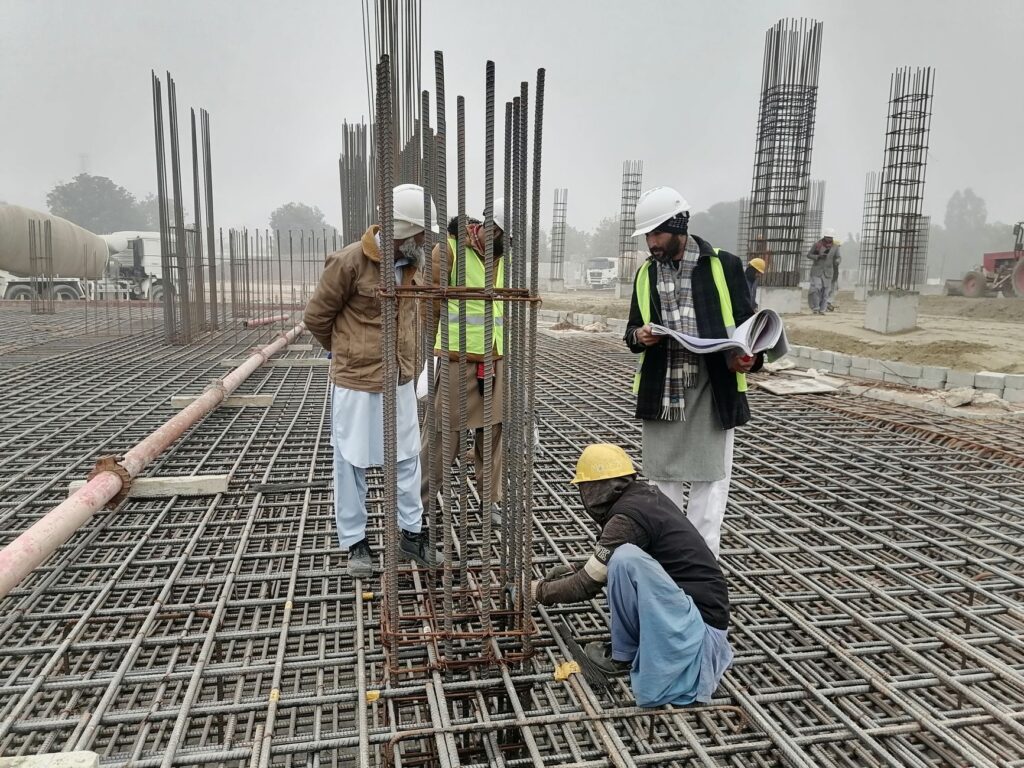
1. Starting Construction Without a Realistic Budget
Many homeowners estimate the cost of building based on conversations with friends or social media posts. While these sources may provide a rough idea, every project is unique.
Construction costs vary depending on:
- Location
- House design
- Soil conditions
- Material specifications
- Contractor pricing
- Professional fees
- Regulatory approvals
A comprehensive project budget should account for more than just construction costs. Site investigations, professional consultancy, approvals, utilities, landscaping, and contingency allowances should all be included from the outset.
Tip: Allocate a contingency of at least 10–15% to accommodate unforeseen expenses during construction.
2. Choosing a House Design Before Understanding the Site
An attractive house plan may not necessarily suit every plot.
Factors such as topography, soil conditions, drainage, access roads, and orientation influence both construction costs and long-term performance.
For example, a sloping site may require retaining walls or additional excavation, while poor soil conditions may increase foundation costs.
A site assessment before finalizing the design allows these factors to be considered early, reducing the likelihood of costly redesigns later.
3. Ignoring Soil Investigations
Many homeowners assume that neighbouring plots have similar ground conditions and therefore skip geotechnical investigations.
This can be an expensive mistake.
The soil beneath a building determines the type and size of foundation required. Inadequate understanding of ground conditions may lead to settlement, cracking, or expensive remedial works after construction.
A geotechnical investigation provides valuable information that helps structural engineers design safe and economical foundations.
4. Selecting Professionals Based Solely on Price
Cost is an important consideration, but selecting consultants or contractors based only on the lowest quotation can create greater expenses later.
Experienced professionals often save clients money by:
- Identifying design issues early
- Preventing costly construction errors
- Improving project coordination
- Managing risks effectively
- Maintaining quality standards
A well-managed project generally delivers better value than one that requires frequent corrective work.
5. Making Design Changes During Construction
It is natural for homeowners to think of new ideas after construction has started.
However, late changes can significantly affect both budget and programme.
Changing room layouts, moving walls, relocating plumbing, or altering roof designs after work has commenced often results in:
- Demolition and rework
- Material wastage
- Delayed completion
- Additional labour costs
Investing sufficient time in design development before construction begins is almost always more economical.
6. Buying Materials Without a Procurement Plan
Many homeowners purchase materials whenever funds become available.
While understandable, this approach can create challenges including:
- Price fluctuations
- Material shortages
- Improper storage
- Theft
- Project interruptions
Developing a procurement schedule helps ensure materials are available when needed while avoiding unnecessary expenditure.
7. Leaving the Contractor Without Proper Supervision
Some homeowners visit their sites only occasionally, assuming the contractor will manage everything independently.
Construction projects require continuous monitoring to ensure work complies with approved drawings, specifications, and quality standards.
Regular inspections help identify issues before they become expensive problems.
Professional construction supervision also provides independent quality assurance throughout the project.
8. Underestimating Approval Requirements
Before construction begins, several statutory approvals may be required depending on the project’s location and scope.
Failure to obtain the necessary approvals can result in delays, additional costs, or enforcement action.
Early engagement with qualified professionals helps ensure the approval process is incorporated into the project programme rather than becoming an unexpected obstacle.
9. Focusing Only on Construction Costs
Many homeowners concentrate on reducing initial construction costs while overlooking the building’s long-term operating expenses.
Features such as natural lighting, ventilation, water efficiency, durable finishes, and energy-efficient systems may require slightly higher initial investment but often reduce maintenance and utility costs over the life of the home.
A home should be viewed as a long-term investment rather than simply a construction project.
10. Not Having Someone Coordinate the Entire Project
One of the most common challenges on residential projects is the absence of a single point of coordination.
Architects, engineers, quantity surveyors, contractors, suppliers, and regulatory authorities all contribute to project delivery. Without effective coordination, misunderstandings and delays can quickly develop.
Professional project coordination helps ensure:
- Clear communication between all parties
- Timely decision-making
- Better cost control
- Improved scheduling
- Higher construction quality
- Reduced project risk
For homeowners with full-time jobs or businesses, having an experienced team oversee project coordination provides peace of mind while allowing construction to progress efficiently.
Building a Home Is About More Than Construction
A successful home is the result of careful planning, informed decision-making, and effective coordination from the earliest stages of the project.
While no construction project is entirely free of challenges, many of the most expensive problems can be avoided through proper preparation, professional guidance, and disciplined project management.
Taking time to assemble the right project team and establish clear processes before breaking ground often proves to be one of the most valuable investments a homeowner can make.
Conclusion
Building a home is a journey that combines financial commitment, personal aspirations, and long-term planning. By avoiding these common mistakes, homeowners can significantly improve the likelihood of completing their projects on time, within budget, and to the expected quality standards.
At AMECH, effective project delivery begins long before construction starts. Through project management, design coordination, digital engineering, and construction supervision, the team helps homeowners and developers navigate the complexities of construction with confidence, ensuring every stage of the project contributes to a successful outcome.